


Understanding Moroccan culture and etiquette is the easiest way to turn a good trip into a great one. Moroccans are known for their hospitality, and a few simple habits, such as the way you greet, what you wear and how you accept tea, open doors that stay closed to hurried visitors. None of the rules is difficult, and most come down to respect.
This guide explains the basics of Moroccan culture and etiquette for travellers, with a focus on northern Morocco, where Arab, Berber, Andalusian and Spanish traditions meet. It covers greetings, hospitality, dress, religion, food, bargaining and a few phrases in Moroccan Arabic. For the practical side of a trip, read it with our Tangier travel tips.
Contents
Moroccan culture and etiquette at a glance
Morocco is a Muslim kingdom with a long history of trade and migration. Arabic and Amazigh (Berber) are the official languages, and the local Arabic dialect is called Darija. French is widely used in business, and in the north, in Tangier and Tetouan, many people also speak Spanish. You can read more about the country on Wikipedia.
These Moroccan customs are easy to learn once you know where they come from. Family, hospitality and religion shape daily life. Time is flexible, meals are long and conversation is part of every transaction. If you slow down to that rhythm, you will be understood and welcomed.
Moroccan culture and etiquette: greetings and hospitality
Greetings matter. The usual phrase is salam alaykum, answered by wa alaykum salam, followed by questions about health and family. Between men, and between women, a handshake is common, often followed by touching your right hand to your heart. Between a man and a woman, wait to see whether the other person offers a hand.
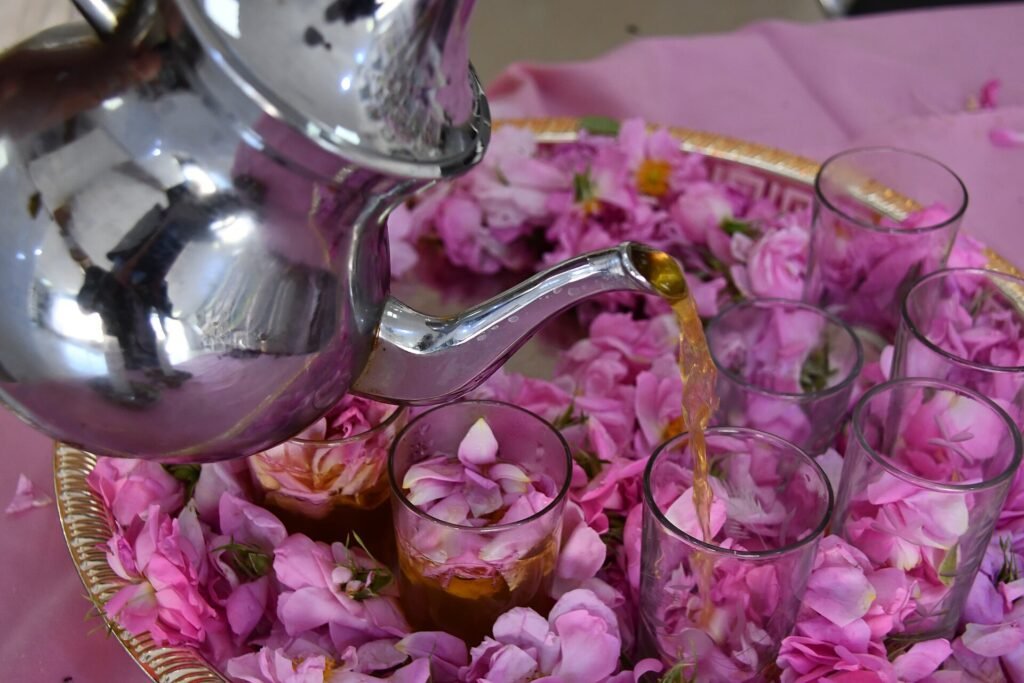
Moroccan hospitality is real, and an invitation to tea is usually sincere. If you are invited into a home, take off your shoes at the door, accept a first glass, and bring a small gift such as pastries or fruit. If you are in a shop, tea is an offer of hospitality, not an obligation to buy.
- Use your right hand to give, receive and eat.
- Say shukran, thank you, often and with a smile.
- It is polite to refuse once or twice before accepting, and to insist when you are the host.
- Do not point the sole of your foot at someone when you sit.
Family, time and conversation: the heart of Moroccan culture and etiquette
Family comes first in Moroccan society, and it is normal to be asked about yours. Conversations start slowly, with greetings and questions about health, before they reach the point. Do not rush them, because the greeting is the point.
Punctuality is relaxed in social life but reliable in tourism: drivers, guides and ferries keep their times. Friday is the main day of prayer, and many businesses close around midday, so plan your errands on other days.
Dress code in Morocco
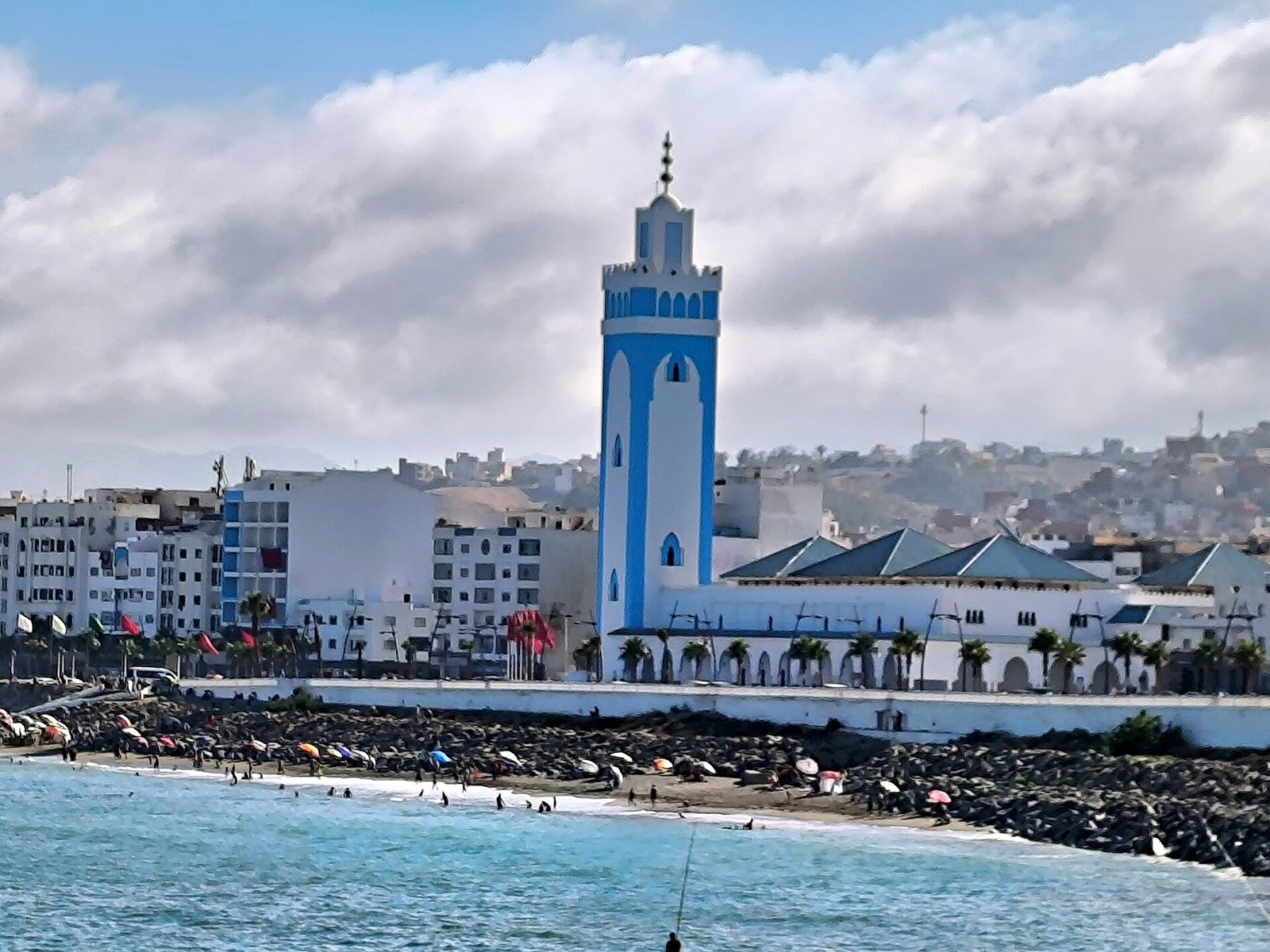
There is no strict law on tourist clothing, but modest dress is respectful and makes your day easier. The dress code in Morocco is more relaxed in cities and beach towns such as Tangier and Asilah, and more conservative in villages and religious places.
- Wear light clothing that covers shoulders and knees, and bring a scarf for sun and for religious sites.
- Beachwear belongs on the beach and at the pool, not in the medina.
- Comfortable closed shoes suit the cobbles better than sandals.
- In winter and in the mountains, bring a jacket: it is colder than you expect.
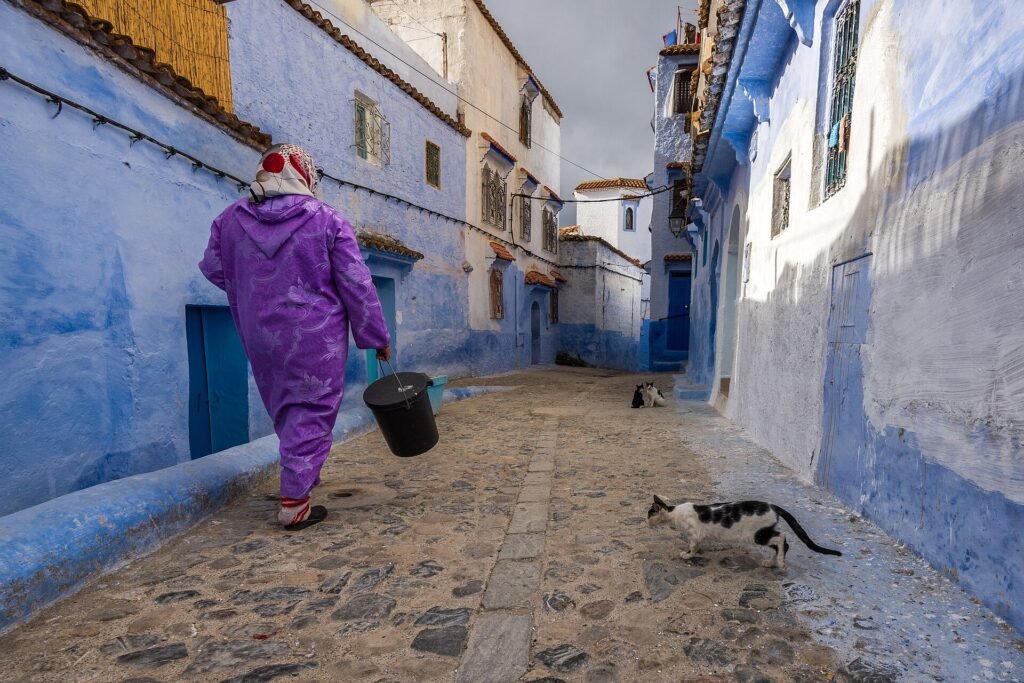
Moroccan culture and etiquette in the medina
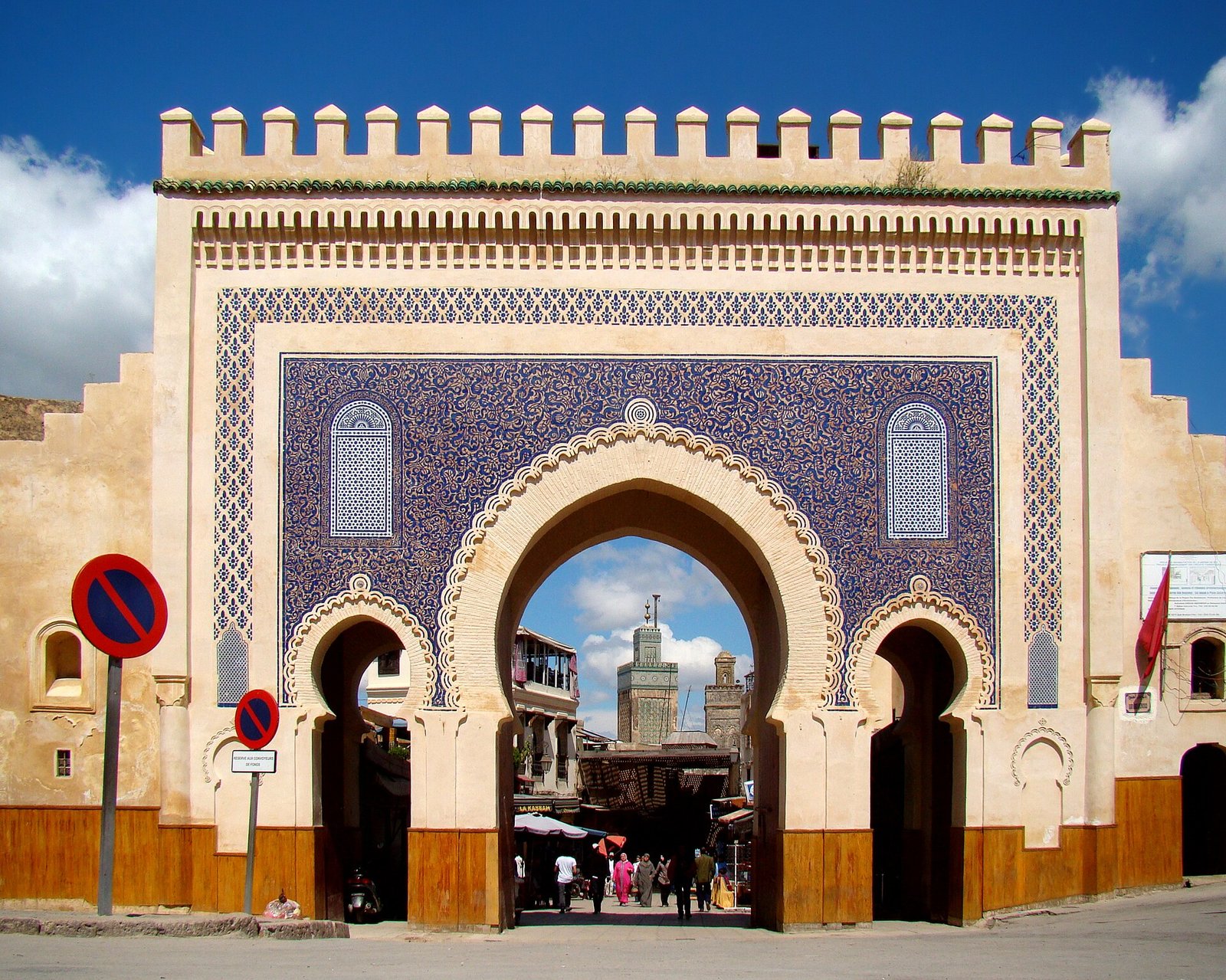
The medina is a living neighbourhood, not a museum. People pray, cook, work and play there, so move with respect. Step aside for donkeys and carts when you hear the call balak, which means watch out. Walk slowly in narrow alleys, and do not block the way to take photographs.
Ask before you photograph people, especially women and children, and never photograph police or military buildings. Many people will say yes with a smile, some will ask for a small tip, and some will say no: accept the answer politely.
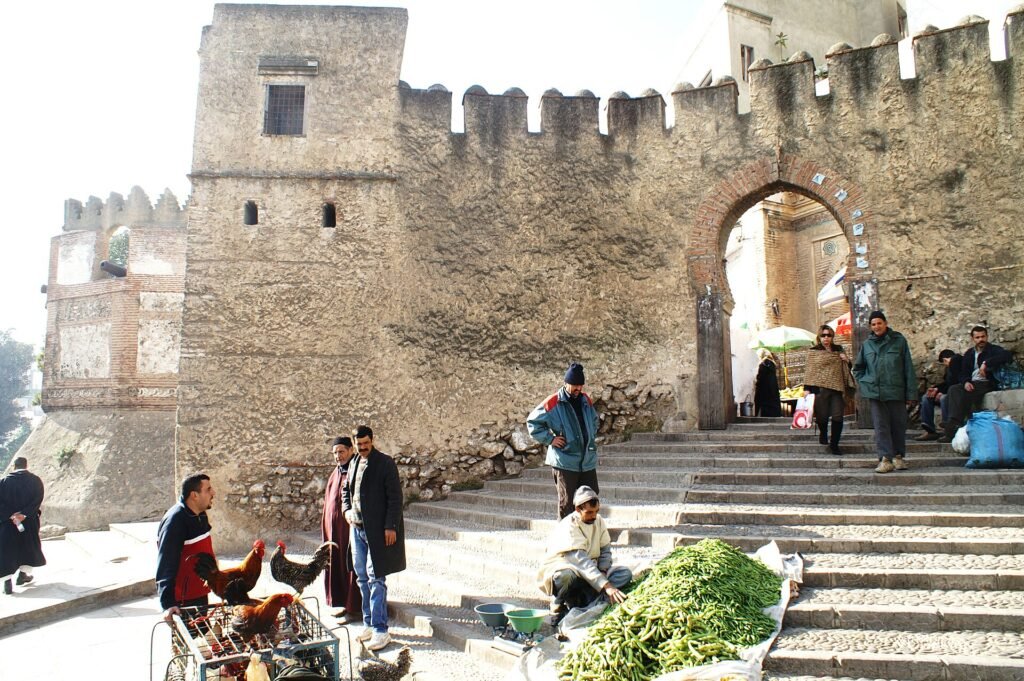
Bargaining is part of shopping in the medina, and our guide to what to buy in Morocco explains how to do it with a smile.
Religion, prayer and Ramadan
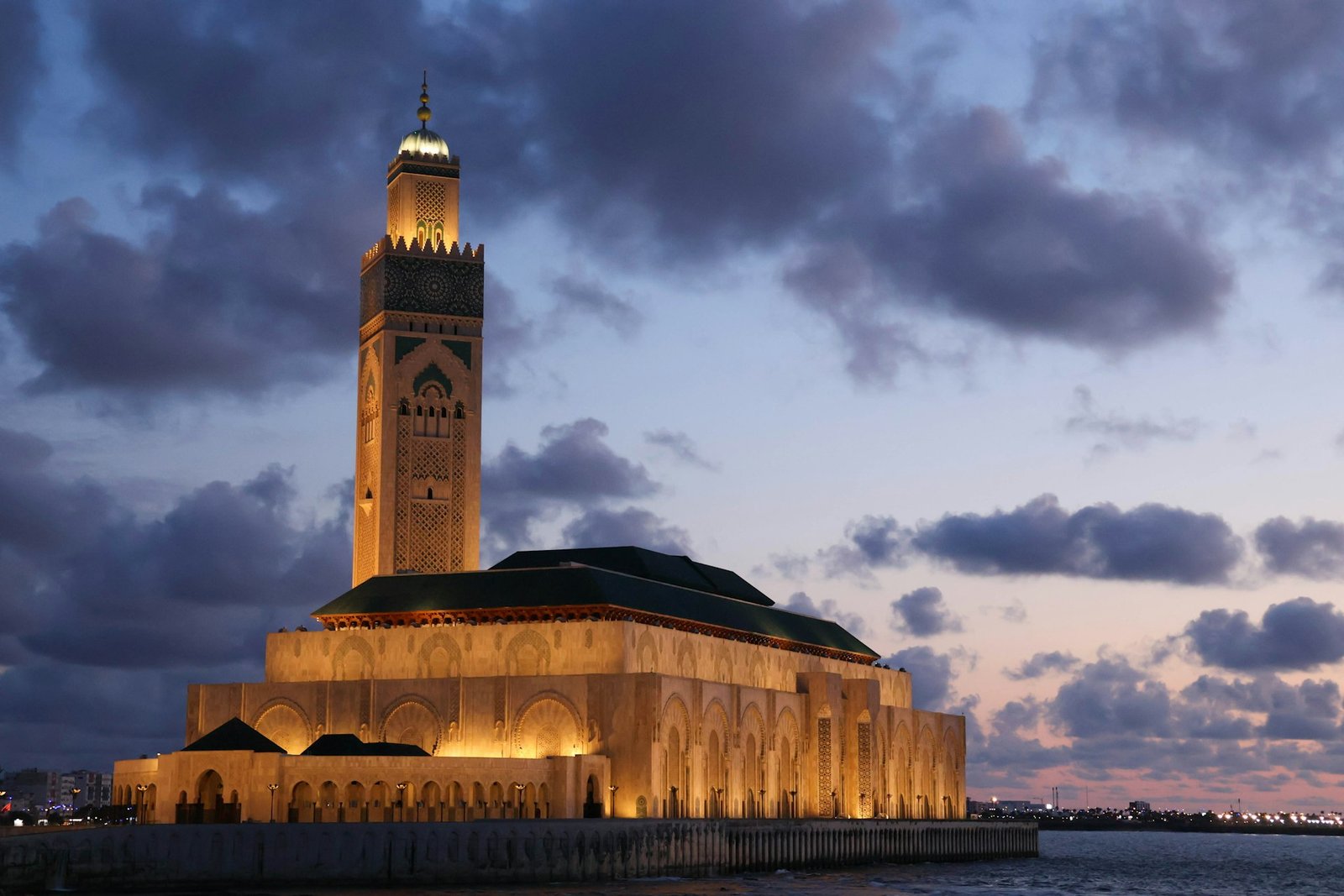
Islam is the state religion, and the five daily prayers shape the day. The call to prayer is heard from every mosque and is part of the sound of the city. Most mosques are closed to non-Muslims; the Hassan II Mosque in Casablanca is a well-known exception with guided visits.
During Ramadan, Muslims fast from dawn to sunset. Visitors are not expected to fast, but it is respectful to avoid eating, drinking and smoking in public during the day. Restaurants open at sunset, and the evenings are lively. Plan your trip accordingly, as explained in our guide to the best time to visit Tangier.
Moroccan culture and etiquette: eating and drinking
Meals are shared. Wash your hands, wait for the host to begin, eat from the part of the dish in front of you and use bread or your right hand. Compliment the cook, and say bssaha, to your health, after the meal. Our guide to what to eat in Tangier explains the dishes and the tea ritual.
Alcohol is available in licensed hotels, bars and restaurants but is not part of everyday life. Drugs, including hashish, are illegal, even if offered in the street, so decline firmly.
Moroccan culture and etiquette in the north
Northern Morocco has its own identity. Tangier was an international city for decades, Tetouan received Andalusian families from Spain and Chefchaouen was founded by refugees from Andalusia. The result is a mix of languages, architecture and food. Read more in our guides to the Tetouan medina and the journey from Tangier to Chefchaouen.
People in the north are used to visitors from Spain and Europe, which makes them relaxed, but the same courtesy applies: greet before you ask, and smile before you bargain.
Ten useful phrases in Moroccan Arabic
| Phrase | Meaning |
|---|---|
| Salam alaykum | Hello, peace be with you |
| Sbah lkhir | Good morning |
| Shukran, shukran bzaf | Thank you, thank you very much |
| Afak | Please |
| La, shukran | No, thank you |
| Bshhal? | How much? |
| Mezyan | Good, fine |
| Yallah | Let’s go |
| Bssaha | To your health (after a meal) |
| Bslama | Goodbye |
Even a few words get you a smile. If you learn only one, make it shukran.
Frequently asked questions about Moroccan culture and etiquette
What are the most important Moroccan customs for visitors?
Greet first, use your right hand, dress modestly, accept hospitality politely and ask before photographing people. Those five habits solve most situations.
What should I wear in Morocco?
Light, modest clothes that cover shoulders and knees. Cities such as Tangier are relaxed, while villages and religious places expect more discretion.
How do you greet people in Morocco?
Say salam alaykum, shake hands with people of your gender and place the right hand on the heart. Ask about health and family before business.
Can non-Muslims enter mosques in Morocco?
In most cases no. The Hassan II Mosque in Casablanca offers guided visits for non-Muslims, and some historic buildings are open as museums.
Is it rude to refuse mint tea?
It is polite to accept at least one glass. If you cannot drink more, say shukran with your hand on your heart.
Is alcohol allowed in Morocco?
It is sold in licensed hotels, bars, restaurants and some shops. It is not part of everyday life, and drinking in public is not appropriate.
Do people speak English or Spanish in Tangier?
In Tangier and the north, many people speak Spanish and French, and English is increasingly common in tourist businesses.
Moroccan culture and etiquette are not about rules but about attention: greet first, accept hospitality, dress with care and ask before you photograph. Do that, and you will not only avoid mistakes, you will be invited in.
Discover Morocco with a local guide
A local guide explains the customs as you go, from the medina to the mountains. Ask us about a private tour.
Photos: مصطفى ملو / Wikimedia Commons, CC BY-SA 4.0 · Sergey Pesterev / Wikimedia Commons, CC BY-SA 4.0 · Dickelbers / Wikimedia Commons, CC BY-SA 3.0