The Ceuta border crossing sits at the end of the Mediterranean coast road, eighty-five kilometres east of Tangier, just outside the town of Fnideq. A private transfer gets you there in about an hour and a quarter, and drops you at the pedestrian gate at Bab Sebta, ready to walk across and pick up onward transport on the Spanish side.
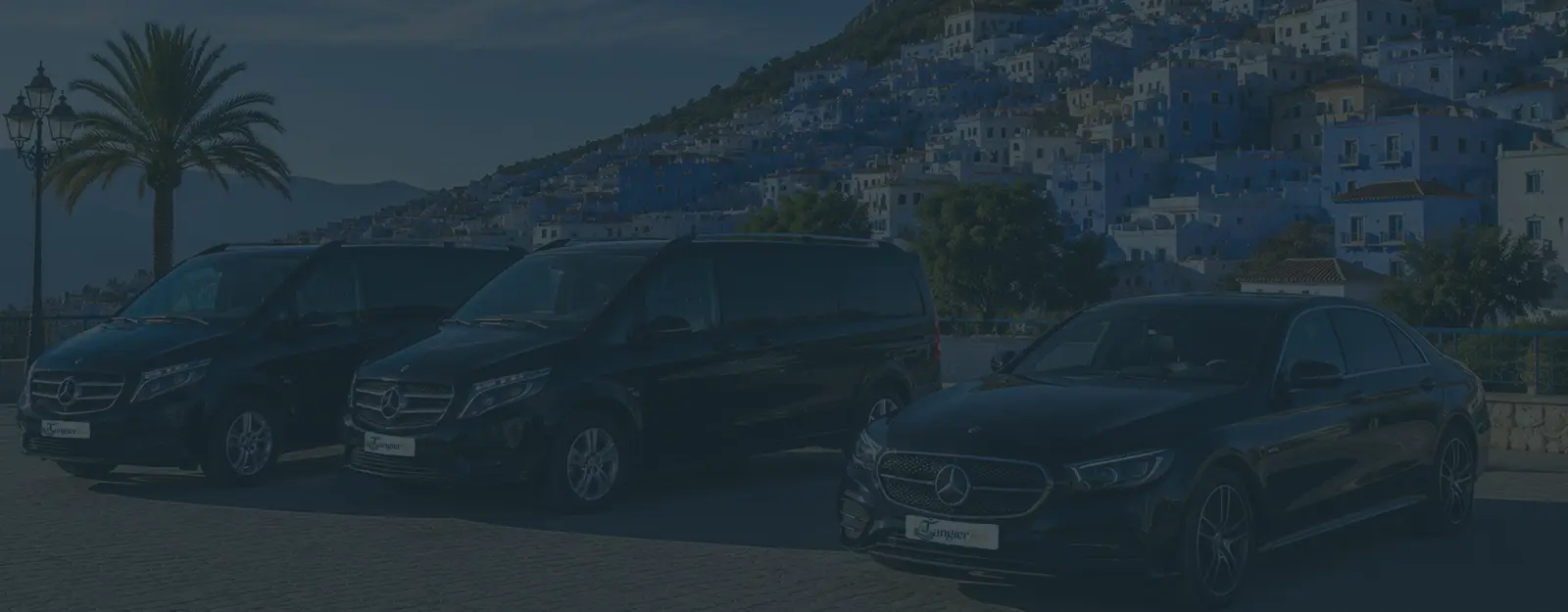
All our Ceuta border transfers start at your door in Tangier — a hotel, a riad, the cruise terminal or Ibn Battouta Airport — in an air-conditioned vehicle with a licensed driver. If you tell us your ferry time from Ceuta to Algeciras, we schedule the pickup to leave you a comfortable margin, and we can stop at the beach towns on the way.
Contents
There are three ways to reach Fnideq from Tangier, the border and the coast around it with us, and each one includes fuel, motorway tolls, parking and insurance in the quoted price.
Every one of our Ceuta border transfers is private and priced per vehicle: no coach, no fixed departure time and no waiting charge on the Moroccan side, because queue times at the crossing are unpredictable. We also collect travellers who cross from Ceuta on foot and meet them with a name sign beyond the Moroccan control post.
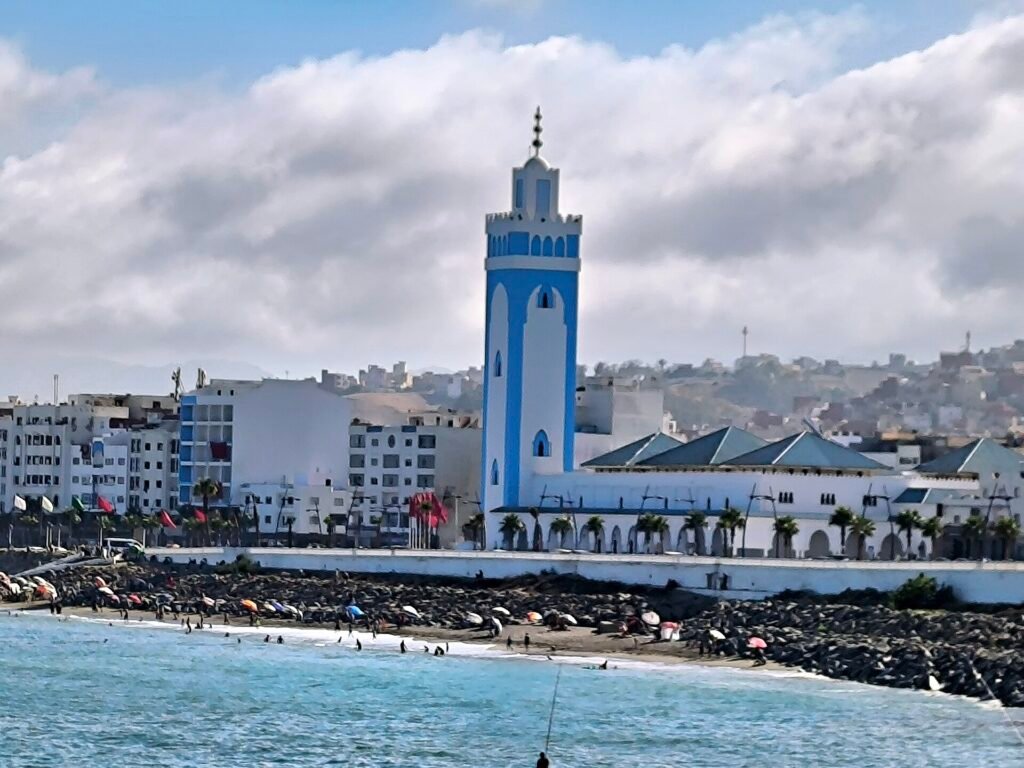
The list of things to do in Fnideq is a short, practical one, because most visitors are passing through. These six stops are worth the time if you have it.
Most things to do in Fnideq are within fifteen minutes of the gate, so a morning Ceuta border crossing leaves room for a coffee on the seafront first. Cabo Negro and M’diq suit a longer stop, and a driver who knows the coast can take you to either without changing the price.
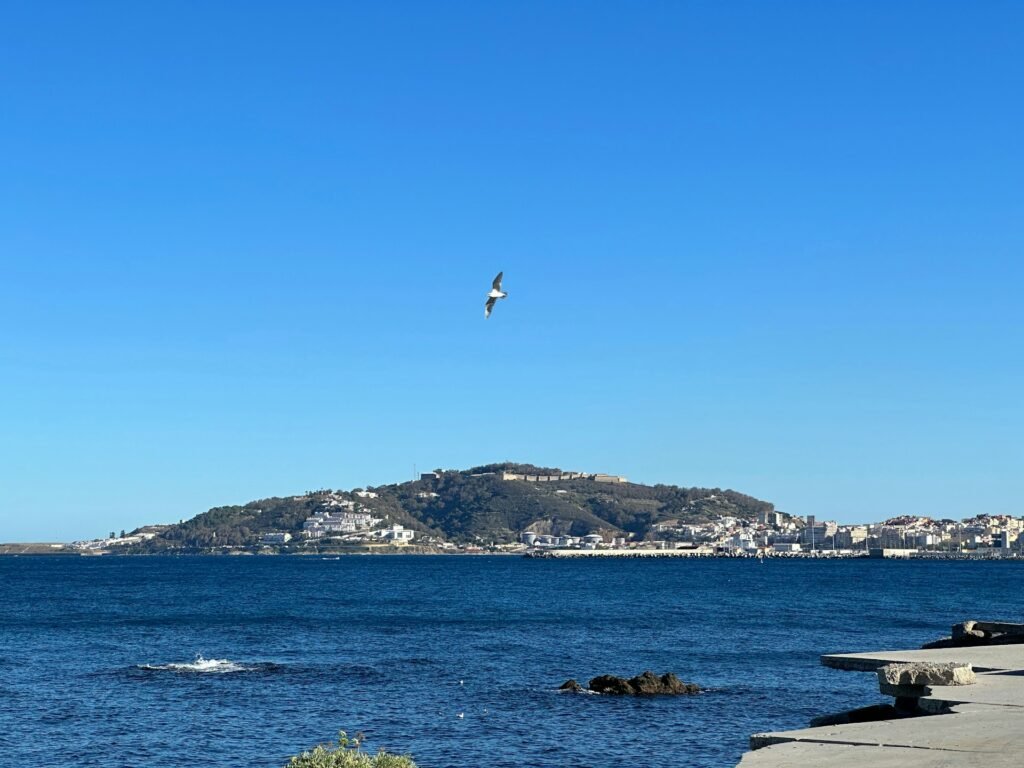
Reaching Fnideq from Tangier follows the coast motorway east past Ksar Sghir and the Tanger Med interchange, then along the Mediterranean through M’diq. It is a pleasant hour with the Rif on one side and the sea on the other, about 85 kilometres in all. The Ceuta border crossing sits at the end of the road.
Queue times at the crossing vary enormously. On a weekday morning outside the summer you may be through in twenty minutes, while on a Friday afternoon, a Sunday or any day in July and August you should allow up to ninety. Carry a passport rather than a national identity card: Ceuta is Spanish territory and an EU external border, and the checks are real.
There is no transport between the two control posts, and ordinary transfer vehicles do not cross, so everyone walks. On the Spanish side, taxis and city buses run from just beyond the control post into Ceuta and the ferry terminal. Check the entry requirements for your nationality before you travel.
| Tour | Duration | From |
|---|---|---|
| Tangier to the Ceuta border | 1 hour 15 minutes | €55 per vehicle, 1–3 passengers |
| Tangier to Tetouan, Martil or M’diq | About 1 hour | €45 to €55 per vehicle, 1–3 passengers |
| Tanger Med port to Tangier | 45 minutes | €50 per vehicle, 1–3 passengers |
Minivan and Sprinter prices for larger groups are listed on each tour page. All Ceuta border transfers include pickup and drop-off as close to the gate as permitted; border formalities, Spanish-side transport and ferry tickets are not included.
The best time for the Ceuta border crossing is a weekday morning outside the summer, when queues are shortest. Fridays, Sundays and the whole of July and August are the busiest, with long waits in the afternoon, so plan your ferry with a generous margin.
Keep your Moroccan entry slip if you were issued one, and keep your passport to hand rather than at the bottom of a bag. Fnideq has hotels, a long beach and a market, and it puts you fifteen minutes from the gate for a morning crossing when the queue is shortest.
A private transfer to Bab Sebta in about an hour and a quarter, timed to your ferry from Ceuta to Algeciras, with a margin for the queue.
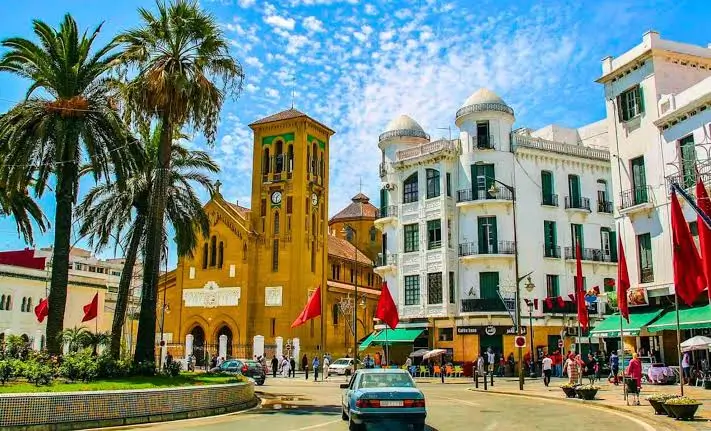
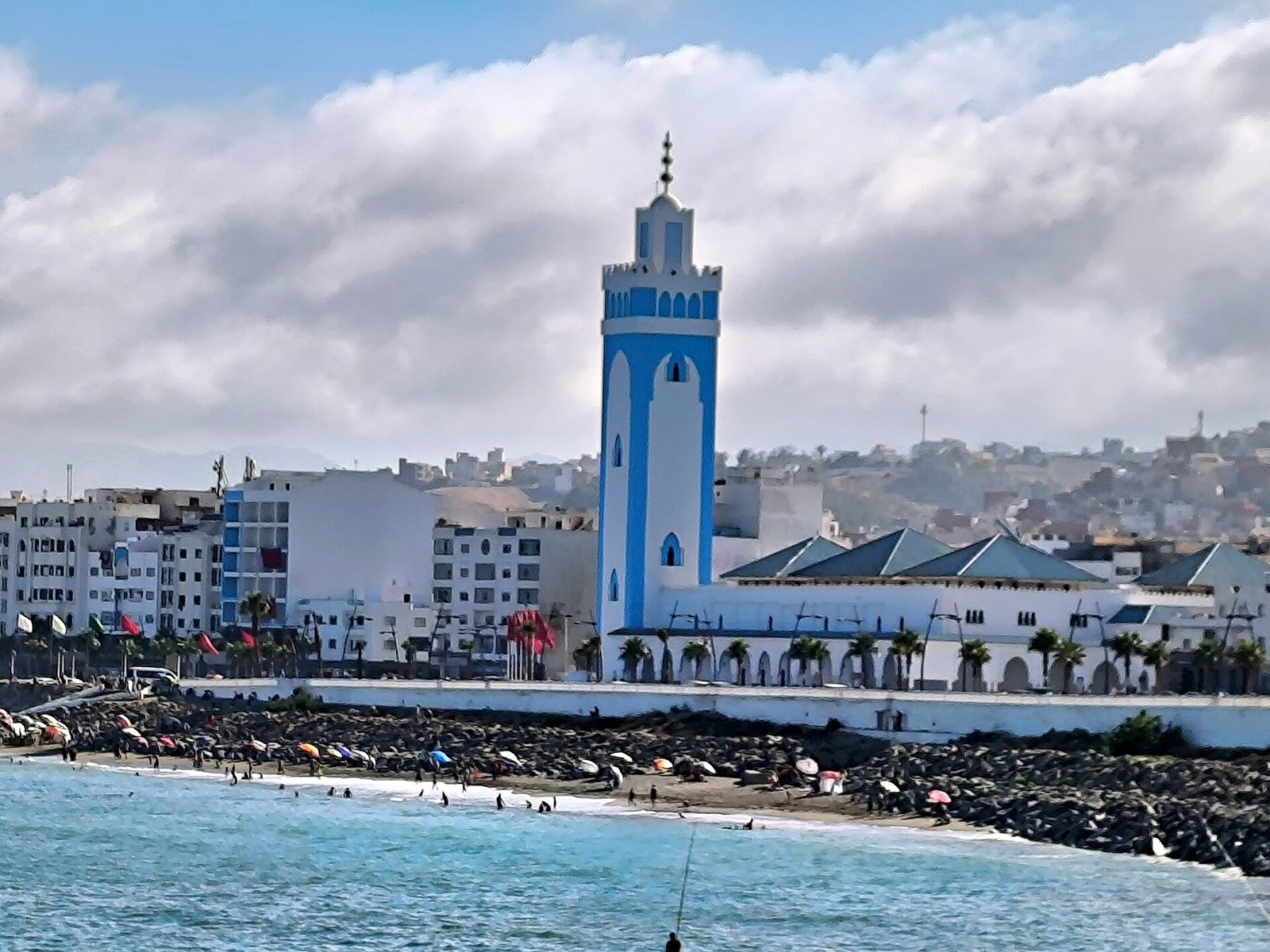
The seafront and its beach, the market, a stop at M’diq or Cabo Negro, and the Ceuta side if you cross on foot.
Fnideq from Tangier takes about an hour and a quarter by car on the coast motorway, around 85 kilometres.
No. Crossing by vehicle requires documentation that ordinary transfer cars do not carry, so everyone walks over the border.
A passport. A national identity card is not sufficient, and you should keep any Moroccan entry slip you were issued.
Yes. Taxis and city buses run from just beyond the Spanish control post into Ceuta town and the ferry terminal.
Whichever you choose, our transfers make the Ceuta border crossing a manageable morning instead of an unpredictable one. Start with the Tangier to Ceuta border transfer, stop on the coast with the Tangier to Tetouan transfer, or read our guide to Tetouan before you go. Ceuta is described on Wikipedia, and Moroccan travel guidance is published by the national tourist office.
Photos: RACHID BAYA / Wikimedia Commons, CC0 · David Valverde / Unsplash
| Destination | Fnideq |
|---|---|
| Locations | Northern Morocco |
| Tour Duration | Half Day |
| Attractions | Bab Sebta Border Crossing, Fnideq Seafront, M’diq & Cabo Negro |

Nothing Match your search terms. Please try again with some different keywords.